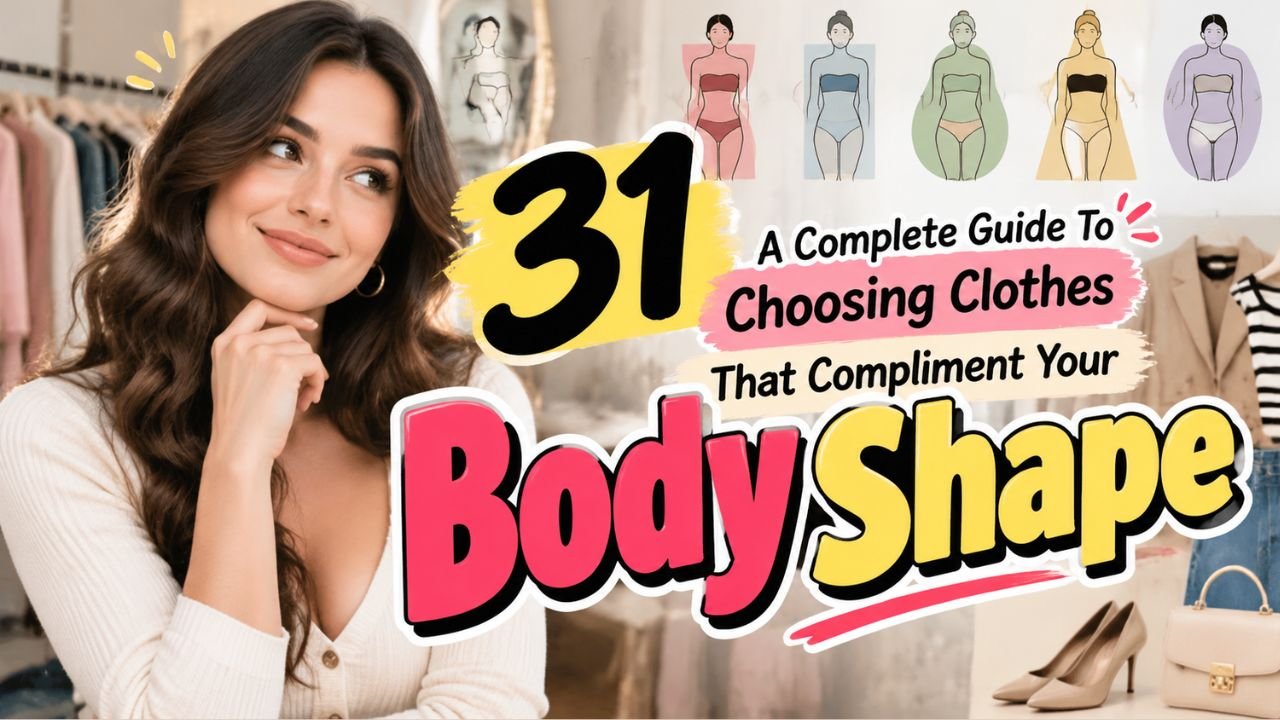
Choosing clothes that look great on you is not about following every fashion rule or changing your body to fit a trend. The real secret is understanding your natural proportions and choosing pieces that create the balance, definition, or movement you want.
Once you understand your body shape, shopping becomes much easier. You can quickly identify flattering necklines, dresses, trousers, jackets, and accessories instead of filling your wardrobe with pieces you rarely wear.
Read Also
35 Feminine Fashion Guide: How to Create a Soft Elegant Personal Style
30 How To Create Effortless Everyday Looks With Clothes You Already Own
The Ultimate Guide To Building A Timeless Capsule Wardrobe That Makes Dressing Easier
Whether your shape is hourglass, pear, apple, rectangle, or inverted triangle, this guide will help you build outfits that feel comfortable, stylish, and completely your own.
1. Dressing an Hourglass Body Shape
An hourglass figure generally has balanced shoulders and hips with a naturally defined waist. Clothing that follows your natural proportions rather than hiding them can create an elegant and well-balanced appearance.
How To Get The Look:
- Choose wrap dresses and fitted dresses that gently define your waist.
- Look for high-waisted trousers, skirts, and jeans that follow your natural curves.
- Try V-neck, scoop-neck, and fitted tops without adding excessive volume around the shoulders or hips.
Try This Year:
Experiment with a timeless wrap dress that highlights the waist while maintaining a polished and effortless silhouette.
2. Dressing a Pear-Shaped Body
A pear-shaped figure usually has narrower shoulders and a smaller upper body compared with the hips and thighs. The goal does not have to be hiding your lower body—instead, you can create visual balance by adding definition and interest to your upper half.
How To Get The Look:
- Choose tops with interesting necklines, structured shoulders, prints, or subtle detailing.
- Try A-line skirts and dresses that skim comfortably over the hips.
- Pair darker bottoms with brighter or more detailed tops when you want to draw attention upward.
Try This Year:
Add a flattering A-line dress to your wardrobe for an easy silhouette that works for casual days, dinners, and special occasions.
3. Dressing an Apple-Shaped Body
An apple-shaped figure often carries more fullness around the midsection while the legs and arms may appear comparatively slimmer. Clothing with clean vertical lines and softly structured shapes can create a streamlined look without feeling restrictive.
How To Get The Look:
- Try V-neck or open-neck tops that visually lengthen the upper body.
- Choose straight-leg or bootcut trousers for balanced proportions.
- Look for dresses that skim the midsection rather than fitting too tightly around it.
Try This Year:
Consider a stylish empire-waist dress that creates definition above the natural waist and flows comfortably through the body.
4. Dressing a Rectangle Body Shape
A rectangle body shape usually has shoulders, waist, and hips that are relatively similar in width. If you want to create more visual definition, clothing with shape, layering, and strategic waist details can work especially well.
How To Get The Look:
- Use belts or belted dresses to add definition around the waist.
- Try peplum tops, structured jackets, and layered pieces that create dimension.
- Choose skirts or trousers with pleats, pockets, or subtle volume to add shape.
Try This Year:
A belted shirt dress can create instant waist definition while still offering a relaxed and versatile look.
5. Dressing an Inverted Triangle Body Shape
An inverted triangle figure generally has broader shoulders compared with the hips. Creating more visual interest around the lower half can help balance the overall silhouette.
How To Get The Look:
- Choose wide-leg trousers, pleated skirts, or fuller A-line skirts.
- Try simple, clean tops without excessive shoulder detailing.
- Use brighter shades, patterns, or textured fabrics on your lower half when you want to emphasize the hips and legs.
Try This Year:
Wide-leg trousers are an easy way to introduce movement and create a balanced silhouette while keeping your outfit modern.
6. Use Necklines To Improve Your Overall Proportions
The neckline of a top or dress can make a surprisingly noticeable difference to your outfit. Different necklines can visually lengthen the neck, soften the shoulder line, or add width to the upper body.
How To Get The Look:
- Try V-necks when you want a longer, more open-looking neckline.
- Choose boat necks or square necks when you want to create more visual width across the upper body.
- Experiment with scoop necks for a soft and versatile everyday option.
Try This Year:
Keep a versatile V-neck blouse in your wardrobe that can work with jeans, tailored trousers, or skirts.
7. Choose The Right Jeans For Your Shape
The right pair of jeans can transform an outfit, but there is no single denim style that works best for everyone. Rise, leg shape, stretch, and overall construction can influence how balanced your proportions appear.
How To Get The Look:
- High-rise jeans can provide additional waist definition and work well with tucked-in tops.
- Straight-leg jeans offer a classic silhouette suitable for many different proportions.
- Bootcut and wide-leg styles can add visual balance when you want more volume through the lower half.
Try This Year:
A classic pair of high-waisted straight-leg jeans is one of the easiest pieces to combine with different tops and jackets.
8. Use Belts To Define Your Waist
A belt is more than a practical accessory. Used carefully, it can change the proportions of an outfit and create stronger waist definition.
How To Get The Look:
- Wear a belt over dresses to create a clearer waistline.
- Add one over an oversized blazer or cardigan to give loose layers more shape.
- Match the width of the belt to the overall proportions and style of your outfit.
Try This Year:
Keep a versatile leather-look waist belt available for dresses, long shirts, cardigans, and structured outfits.
9. Add Structure With A Well-Fitted Blazer
A good blazer can bring structure to almost any body shape. The key is selecting a cut that works with the proportions you want to highlight rather than choosing one purely because it is fashionable.
How To Get The Look:
- Choose a slightly tailored blazer when you want stronger waist definition.
- Look for longer-line styles if you prefer a streamlined appearance.
- Keep shoulder padding subtle if your shoulders are already naturally broad.
Try This Year:
Invest in a versatile tailored blazer that can be styled with dresses, trousers, denim, and skirts throughout the year.
10. Use Shapewear As An Optional Styling Tool
Shapewear is not something you need to wear to look good. However, when you want a particularly smooth base underneath fitted outfits, the right piece can make certain fabrics sit more evenly.
How To Get The Look:
- Choose your normal size rather than buying something excessively tight.
- Match the shapewear style to the garment you plan to wear over it.
- Prioritize breathable, flexible fabrics so you can move comfortably.
Try This Year:
For fitted dresses or special-event outfits, seamless high-waisted shaping shorts can provide a smooth foundation without changing your personal style.
Here is the continuation from 11 to 31 in the same format.
11. Choose Dresses That Follow Your Natural Proportions
The right dress can make styling much easier because one garment creates the majority of your silhouette. Instead of choosing dresses only by trend, pay attention to where the waistline sits, how the fabric falls, and whether the overall shape complements your proportions.
How To Get The Look:
- Choose dresses with waist placement that suits your natural proportions.
- Look for fabrics that skim rather than pull across the body.
- Adjust the hem length depending on which part of your legs you want to highlight.
Try This Year:
Experiment with a versatile fit-and-flare dress that creates structure through the waist while allowing movement around the lower body.
12. Use A-Line Skirts To Create Easy Balance
A-line skirts are one of the most adaptable wardrobe pieces because they create gentle shape without feeling overly fitted. They work particularly well when you want a defined waist and a smoother line through the hips.
How To Get The Look:
- Choose a high-waisted A-line skirt to emphasize the waist.
- Pair it with a tucked or fitted top for cleaner proportions.
- Keep the length around the knee or midi level depending on your height and preference.
Try This Year:
Add a midi A-line skirt that can be paired with blouses, knitwear, or casual T-shirts.
13. Balance Your Shape With Wide-Leg Pants
Wide-leg trousers can add movement and create a strong vertical line through the lower body. When styled correctly, they can help balance broader shoulders, emphasize the waist, or create the appearance of longer legs.
How To Get The Look:
- Choose high-rise styles to visually lengthen your lower body.
- Pair wider trousers with a more fitted or tucked-in top.
- Make sure the hem does not bunch excessively around your shoes.
Try This Year:
Try high-waisted wide-leg pants for an outfit that feels polished while remaining comfortable.
14. Use Straight-Leg Pants For A Clean Silhouette
Straight-leg trousers are a reliable choice for creating balanced proportions because they neither cling excessively nor add too much volume.
How To Get The Look:
- Select a rise that sits comfortably at your natural waist.
- Choose a straight cut that falls cleanly from the hips.
- Pair them with fitted knitwear, shirts, or structured jackets.
Try This Year:
Build your wardrobe around a neutral pair of straight-leg trousers that can transition easily between work and casual outfits.
15. Create Definition With Wrap Tops
Wrap tops naturally draw attention toward the waist and create diagonal lines across the torso. This makes them particularly useful when you want softness, definition, and visual length through the upper body.
How To Get The Look:
- Choose an adjustable wrap style for better control over fit.
- Pair it with high-waisted bottoms for stronger waist definition.
- Keep the neckline comfortable and secure for your bust size.
Try This Year:
A classic wrap blouse can work with denim, tailored trousers, and skirts throughout several seasons.
16. Use Peplum Tops To Add Shape
Peplum tops create definition at the waist before gently flaring outward. They can help create the impression of curves and work particularly well with streamlined bottoms.
How To Get The Look:
- Make sure the peplum begins close to your natural waist.
- Pair the top with straight or slim-fitting trousers.
- Avoid excessive layers around the waist if you want a cleaner silhouette.
Try This Year:
Try a structured peplum blouse as an alternative to a standard fitted top.
17. Use Monochrome Outfits To Create Length
Dressing in one color family creates an uninterrupted vertical line. This can make an outfit appear more streamlined and can simplify styling when you are unsure how to combine different pieces.
How To Get The Look:
- Mix different shades of the same color rather than matching everything exactly.
- Use different textures to keep the outfit visually interesting.
- Add accessories in a contrasting neutral if you want subtle definition.
Try This Year:
Start with a coordinated monochrome two-piece outfit for an easy, polished look.
18. Use Vertical Stripes To Lengthen Your Silhouette
Vertical patterns naturally guide the eye upward and downward, helping create a longer visual line. They can be especially useful in trousers, dresses, and button-down shirts.
How To Get The Look:
- Choose narrow or medium vertical stripes for a subtle effect.
- Avoid combining too many competing patterns in one outfit.
- Keep the rest of the outfit relatively simple.
Try This Year:
Add a vertical striped shirt that can be worn tucked, open over a tank, or layered beneath a blazer.
19. Choose Prints According To The Area You Want To Highlight
Print placement can influence where attention naturally falls. Larger and brighter patterns tend to stand out, while smaller or darker patterns often appear more subtle.
How To Get The Look:
- Wear statement prints on areas you want to emphasize.
- Use solid colors on areas where you prefer less visual focus.
- Balance large prints with simpler accessories.
Try This Year:
Experiment with a printed midi dress that adds personality without overwhelming your proportions.
20. Choose Jackets That Finish At A Flattering Point
The length of a jacket can change the appearance of your proportions. Cropped jackets emphasize the waist, while longer styles create a more elongated line.
How To Get The Look:
- Choose cropped jackets if you want to highlight your waist.
- Try hip-length jackets for a classic everyday proportion.
- Use longline jackets when you want a streamlined vertical effect.
Try This Year:
A cropped denim jacket can add structure to dresses, skirts, and high-waisted trousers.
21. Use Long Cardigans To Create Vertical Lines
Long cardigans create two strong vertical lines down the front of the body, which can visually lengthen your overall appearance.
How To Get The Look:
- Wear the cardigan open to preserve the vertical effect.
- Keep the layers underneath relatively simple.
- Choose a length that finishes around the knee or mid-thigh.
Try This Year:
Keep a lightweight long cardigan available for effortless layering during transitional weather.
22. Select Coats That Work With Your Proportions
Outerwear can dominate your silhouette during colder months, so choosing the right coat length and structure matters just as much as selecting your everyday clothing.
How To Get The Look:
- Use belted coats when you want waist definition.
- Choose single-breasted styles for a cleaner front line.
- Make sure the shoulder seams sit correctly rather than extending too far outward.
Try This Year:
A belted trench coat offers structure, waist definition, and versatility across many outfits.
23. Use High-Waisted Bottoms To Highlight Your Waist
High-waisted trousers, skirts, and shorts bring attention toward the narrowest part of the torso and can visually lengthen the legs.
How To Get The Look:
- Pair high-rise bottoms with tucked-in or cropped tops.
- Make sure the waistband sits comfortably without digging in.
- Choose smoother waistbands when layering under fitted tops.
Try This Year:
Try high-waisted tailored pants for a clean look that works well for office and casual styling.
24. Pick Shorts That Suit Your Leg Proportions
Shorts can be styled in many ways beyond basic casual wear. The rise, length, and width of the leg opening can all influence how your lower body appears.
How To Get The Look:
- Choose high-rise shorts to create more leg length.
- Try wider-leg styles if you prefer more room around the thighs.
- Select a hem length that feels comfortable rather than automatically choosing the shortest option.
Try This Year:
Tailored high-waisted shorts provide a more polished alternative to casual denim shorts.
25. Use Pointed-Toe Shoes To Extend The Leg Line
Shoes influence proportions more than many people realize. A pointed toe naturally continues the visual line of the leg, especially when paired with trousers, skirts, or dresses.
How To Get The Look:
- Choose a pointed shape that still gives your toes enough room.
- Match your shoe color to your trousers for a continuous line.
- Use low heels or flats if you want the effect without extra height.
Try This Year:
A pair of pointed-toe flats can deliver a polished look while remaining practical for everyday wear.
26. Choose Boots According To Your Outfit Length
Boot height can visually divide the leg, so the relationship between your boots, skirt, dress, or trousers deserves attention.
How To Get The Look:
- Wear ankle boots with cropped or straight-leg pants for a clean finish.
- Pair knee-high boots with skirts and dresses for an uninterrupted lower-body line.
- Keep boot and trouser colors similar when you want the legs to appear longer.
Try This Year:
Knee-high boots offer versatility with midi skirts, dresses, and fitted trousers.
27. Use Statement Necklaces Strategically
Accessories can help redirect attention and change the visual balance of an outfit. A necklace can emphasize your neckline, bring focus toward your face, or add dimension to a simple top.
How To Get The Look:
- Choose longer necklaces if you want to create a vertical line.
- Wear shorter statement necklaces when you want emphasis near the shoulders.
- Keep other accessories simpler when the necklace is bold.
Try This Year:
A long pendant necklace is an easy accessory for adding vertical emphasis to simple outfits.
28. Use Handbags To Support Your Overall Proportions
The size and placement of a handbag can affect the visual balance of your outfit. A bag that finishes at the hip naturally draws attention toward that area, while shorter shoulder bags emphasize the upper body.
How To Get The Look:
- Choose bag sizes that feel proportionate to your frame.
- Pay attention to where the strap makes the bag sit.
- Use structured bags with tailored outfits and softer bags with relaxed looks.
Try This Year:
A medium structured crossbody bag provides everyday practicality without overwhelming most outfits.
29. Choose Fabrics That Fall Well On Your Body
Fabric can completely change how the same clothing cut looks. Heavy, structured fabrics hold their shape, while lighter materials drape more closely around the body.
How To Get The Look:
- Choose structured materials when you want stronger definition.
- Use flowing fabrics when you prefer softness and movement.
- Check fabric transparency, stretch, and cling before buying.
Try This Year:
A soft satin blouse can add fluidity and elegance without requiring complicated styling.
30. Prioritize Proper Fit Over Clothing Size
The number on the label is far less important than how a garment actually sits on your body. Sizing varies between brands, and forcing yourself into a particular size often creates fit problems that are more noticeable than the number itself.
How To Get The Look:
- Check shoulder seams, waist placement, and trouser length carefully.
- Size up when necessary and tailor the garment if needed.
- Avoid buying pieces that pull, gape, bunch, or restrict movement.
Try This Year:
Use an adjustable measuring tape to compare your current measurements with brand sizing charts before ordering clothes online.
31. Build A Capsule Wardrobe Around Your Best Silhouettes
Once you know which clothing shapes consistently work for you, building a capsule wardrobe becomes much easier. Rather than buying random trend pieces, focus on versatile garments that complement both your proportions and lifestyle.
How To Get The Look:
- Identify five to ten clothing silhouettes you repeatedly feel good wearing.
- Build around neutral basics before adding trend-driven colors or prints.
- Choose pieces that can be combined into several different outfits.
Try This Year:
Use a wardrobe organizer to keep your most versatile pieces visible and make outfit planning easier.
Add A Brief Body-Shape IntroductionExplain How To Identify My Shape
Conclusion
Learning how to dress for your body shape should give you more freedom, not more restrictions. Body-shape guidelines are useful starting points, but they are not rules that determine what you are allowed to wear.
Focus first on proportions, fit, fabric, and comfort. An expensive dress in the supposedly “perfect” silhouette will still look wrong if the fit is poor, while a simple outfit that fits properly can look polished and intentional.
Read Also
51 Elegant Iftar Fashion Ideas: Beautiful Ramadan Co-Ord Sets, Two-Piece Looks & Modest Outfits
25 Timeless Capsule Wardrobe Essentials That Make Dressing Easy Every Day
30 Quiet Luxury Fashion Guide: How to Create an Elegant Expensive Looking Style
Use your body shape to understand why certain cuts may work particularly well for you, then experiment. Fashion should ultimately reflect your personality and make getting dressed easier rather than turning it into another set of rules to follow.
Frequently Asked Questions (FAQs)
1. How do I know what my body shape is?
Look at the overall relationship between your shoulders, bust, waist, and hips rather than focusing only on your clothing size. Taking basic shoulder, bust, waist, and hip measurements can help you identify which general body-shape category most closely matches your proportions.
2. Do I have to follow body-shape fashion rules?
No. Body-shape recommendations are styling tools rather than strict rules. They can help you understand proportions, but you should still wear cuts, colors, and styles that make you feel comfortable and confident.
3. What clothes are flattering on almost every body shape?
Well-fitted straight-leg trousers, wrap-style pieces, structured jackets, V-neck tops, simple A-line dresses, and correctly fitted denim are versatile choices. The exact cut and proportions still matter more than the garment category alone.
4. Can my body shape change over time?
Yes. Changes in weight, muscle distribution, age, pregnancy, lifestyle, and other factors can alter your proportions. It can therefore be useful to reassess fit occasionally instead of shopping according to a body shape you identified years ago.
5. What is more important: body shape or clothing size?
Fit is more important than the number printed on the label. Clothing sizes can vary considerably between brands, so focus on how a garment sits across your shoulders, waist, hips, and other key areas rather than choosing something simply because it is your usual size.